Six months before Mary received the annunciation of Jesus’ birth, another birth story was unfolding—that of an elderly woman and her husband who had been unable to have children for several decades.
The gospel of Luke introduces us to Elizabeth and Zechariah in Luke 1:5-7. Zechariah was a priest and Elizabeth was also from the priestly tribe.
“Both were righteous in God’s sight, living without blame according to all the commands and requirements of the Lord. But they had no children because Elizabeth could not conceive.” — Luke 1:6-7a
This post is beautifully written and carries a very powerful message. To make this "WordPress-ready," I have organized it using proper Heading tags (H2, H3), improved the readability for mobile users by breaking up long paragraphs, and used Blockquotes for the Scripture passages to make them stand out.
You can copy and paste the content below directly into a WordPress "Custom HTML" block, or simply use the text and headings in the standard Block Editor.
From Barren to Blameless: Finding Hope in God’s Timing
Six months before Mary received the annunciation of Jesus’ birth, another birth story was unfolding—that of an elderly woman and her husband who had been unable to have children for several decades.
The gospel of Luke introduces us to Elizabeth and Zechariah in Luke 1:5-7. Zechariah was a priest and Elizabeth was also from the priestly tribe.
“Both were righteous in God’s sight, living without blame according to all the commands and requirements of the Lord. But they had no children because Elizabeth could not conceive.” — Luke 1:6-7a
The Weight of Barrenness
Elizabeth’s character was impeccable, but her socio-economic worth was beyond human repair. In the days of antiquity, if a woman was barren, she brought shame and disgrace to her family. A woman’s greatest goal at this time was to fulfill the creation mandate: be fruitful and multiply. Children would bear the family’s legacy. They would carry their father’s name and care for their parents in old age.
According to Merriam-Webster, barren is defined as: “incapable of producing offspring; devoid, lacking.” Its synonym is naked—deprived of naturally or conventionally appropriate covering. Elizabeth’s womb was naked. She was known by her shame and covered in disgrace.
From Eve to Elizabeth
There is another woman in the beginning of Scripture that we often identify as naked, ashamed, and disgraced. Her name is Eve; the mother of all living and the inaugurator of sin (Genesis 3:1-21).
Eve received her name “life” after she helped usher death into the world. Yet, it was through her offspring the whole world would have access to life once more.
Before Zechariah and Elizabeth received the promise of their miracle son, the last recorded word of God was given 400 years prior. The final prophecy of the Old Testament comes from Malachi, who spoke of a messenger coming to prepare the way for the Messiah (Malachi 3:1, 4:4-6).
Elizabeth’s story is the start of God speaking once more and showing grace to His people. Her journey from barren to blameless began a chain reaction of fulfilled prophecies.
Understanding Spiritual Barrenness
We often associate barrenness with physical conception; however, Adam and Eve ushered in spiritual barrennessthrough their sin.
- The Definition of Sin: Anything we think, say, or do that goes against God.
- The Result: It leaves us spiritually naked, unable to produce godly fruit, and filled with shame.
Spiritual barrenness is not limited to age or gender. Before the first day of creation, the world was empty and dark. Then God spoke light and life into the world. He took what was broken and shameful and turned it into something beautiful and productive. He does the same for our spiritual lives today.
Known by God
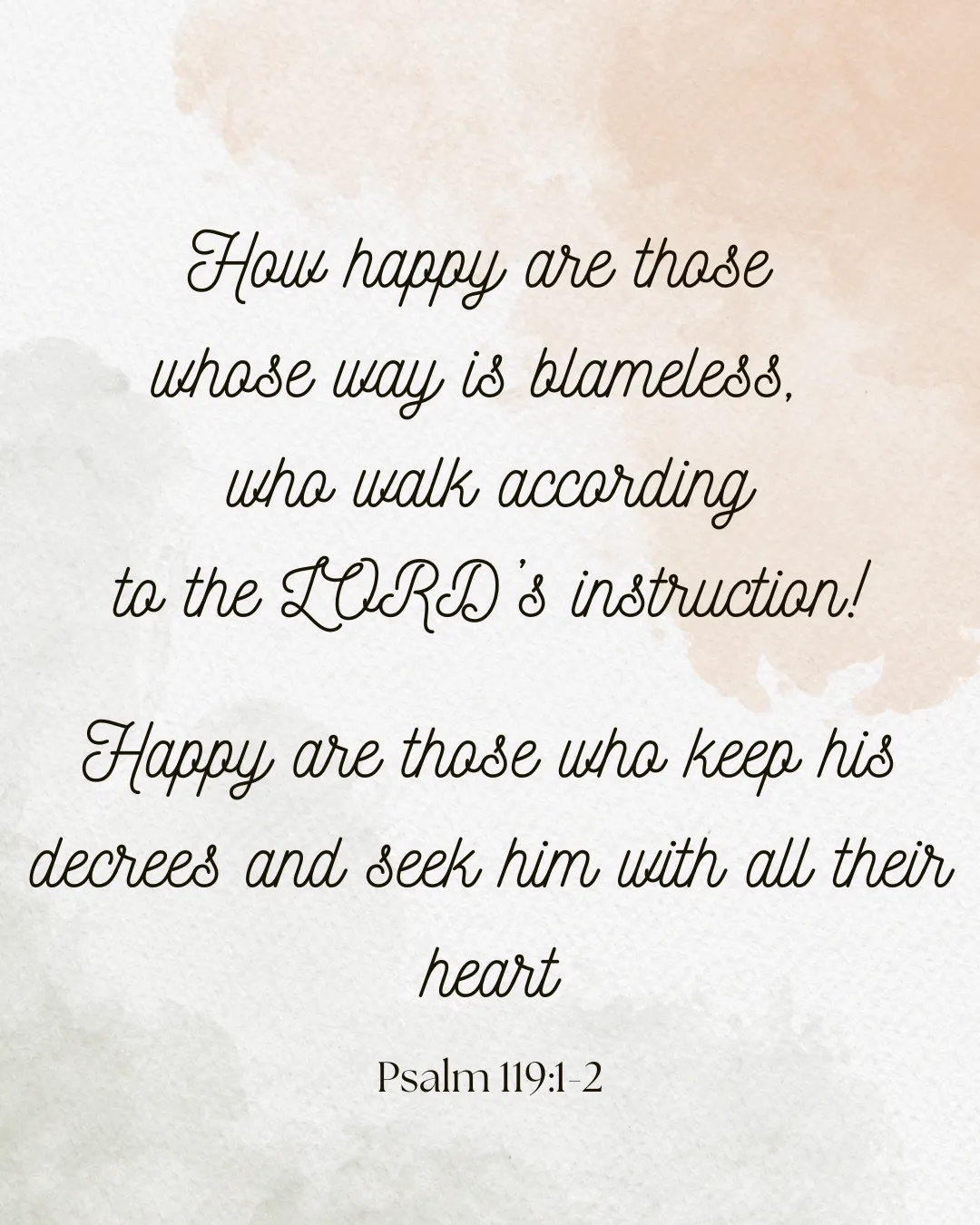
Elizabeth, though known by most people for her barrenness, was known by God for her blamelessness. Even though she was physically barren, she was not spiritually barren. She displayed the heart of a blameless person as described in Psalm 119:1-8:
“How happy are those whose way is blameless, who walk according to the LORD’s instruction! Happy are those who keep his decrees and seek him with all their heart... Then I would not be ashamed when I think about all your commands.”
Lessons from the Barren
It is a recurring theme in Scripture that God uses barren women to bring about His redemption plan. Just as He removed their physical barrenness, He is able to miraculously remove our spiritual barrenness.
- Like Sarah: We need faith that God is all-powerful and He alone can save us. (Hebrews 11:11)
- Like Hannah: We need to pray and ask God to take away our disgrace. (1 Samuel 1:9-18)
- Like Elizabeth: We must understand that we cannot save ourselves. It is the grace of God that removes our shame. (Luke 1:24-25)
The Power of Praise
The response of a woman who recognizes God’s grace is praise. They declare the holiness of God’s power and meditate on what He has done.
Elizabeth wasn’t left unscathed; she bore heart scars from decades of waiting. Battle wounds of the mind remained a part of her story, but she did not let the pain define her. She lived blessed because she believed God would never abandon her.
God is faithful in the waiting. Often, silence equals mercy. God answers prayer; He opens wombs, gives joy, and brings gladness. He makes the barren fruitful.
A Final Encouragement
Where are you in this season? Are you experiencing spiritual barrenness?
If so, I want to encourage you: God will never abandon you. He sees your pain and shame. He wants to remove your disgrace and restore joy to your life. All you have to do is call out to Him. He will hear you. He will answer.
If you have confident hope that God has shown you grace, smile. The grace of God is the most powerful thing that will ever happen to you. Tell someone your story of moving from barren to blameless. Give audible praise to the One who has not abandoned you.