It is so good to dive into God’s Word together! As we walk through salvation stories across the Old Testament, our primary goal is to see that the Bible is one cohesive story rather than a collection of individual tales.
Each narrative throughout the Scriptures is anchored in the hope of God’s promise in Genesis 3:15 and points forward to the future fulfillment of that promise through the life, death, and resurrection of Jesus. As we study, we get to be active participants—seeing how our own lives are meant to glorify God and continually look back to the promise of salvation fulfilled in Christ.
Why Studying Biblical Theology Matters
Before diving into the story of Noah, it’s worth asking: Why is studying biblical theology so important?
Simply put, theology means "the study of" or "words about" God. In the book You Are a Theologian, J.T. English writes:
“Everybody has words about God. Certainly pastors, ministry leaders, and professors have words about God, but so do moms, dads, lawyers, healthcare professionals, Hindus, Buddhists, even agnostics and atheists. Everyone has words about God; therefore, everyone is a theologian. The question is not whether we are theologians, but whether we are good ones or bad ones.”
If you are committing time to reading and studying the Bible, congratulations—you are a theologian! Growing as a biblical theologian simply means learning to study the Bible according to what God has revealed about Himself and humanity through His own Word. It allows us to connect the dots from Genesis to Revelation and see how every word in between tells one great, true story about our holy God.
Are you ready to grow as a theologian? Let's take a closer look at Noah and the Ark.
Creation and the Garden Promise
In the beginning, God created a perfect world filled with beasts, trees, birds, and flowers. In the midst of this new creation, God placed humanity to reflect His character and heart. We were made to walk with God, talk with God, and have dominion over the earth. It was the perfect setting—until evil entered the garden.
Lucifer, once an angel of light and now a creature of darkness, was cast out of heaven for his rebellion. Under the name of Satan and the guise of a serpent, he entered Eden to strike at the core of God's creation. His goal was to corrupt humanity and sever our relationship with our Creator.
Regrettably, sin entered the world. Everything perfect came undone. But God, who is rich in grace and mercy, did not leave mankind without hope. Before punishment was pronounced or judgment executed, God gave the world a promise: there would be hostility between the offspring of Satan and the offspring of Eve. Though Satan would fight to draw all of mankind into rebellion, one descendant of Eve would come to bring total destruction to evil, sin, and death (Genesis 3:15).
Time and time again, Satan thought he could corrupt the human line, but by God’s divine plan, the promised Savior would prevail.
This single promise anchors every story in the Bible. Even as the world grew increasingly wicked, the line of Adam through his son Seth continued looking forward to that hope. When Noah was born, his father Lamech declared:
“This one will bring us relief from the agonizing labor of our hands, caused by the ground the LORD has cursed.” — Genesis 5:29
The name Noah means “rest.” Ten generations after the Fall, Lamech was longing for relief from the curse, anchoring his hope in the promise that one of Eve’s offspring would bring lasting rest.
Judgment and the Flood
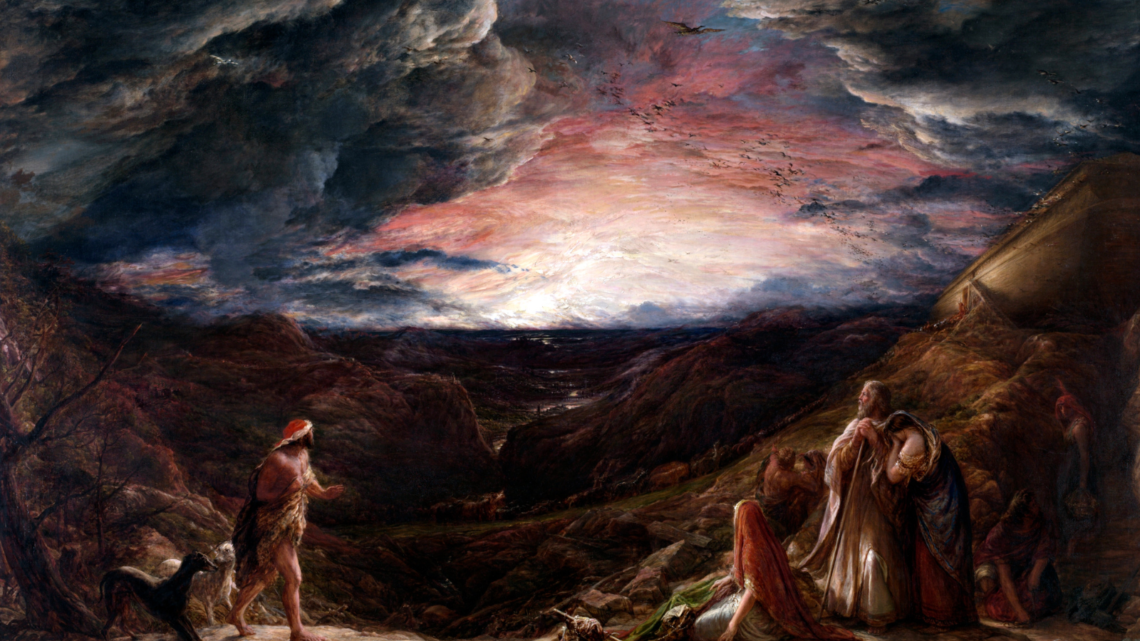
By Genesis 6, mankind had multiplied across the earth, but wickedness had multiplied alongside them. Corrupt seed and widespread sin grieved the Lord to His core.
Sin in every form grieves God. Whether a small lie or a grave offense, evil disrupts God's holy creation. The grief of humanity's sin led to a watery judgment—yet even in judgment, God’s design carried purpose.
Untamed water is chaotic and destructive; it erodes, cleanses, and removes what was before. Yet in its aftermath, water leaves behind fertile ground, softens hard places, and prepares the way for new life.
The people of Noah’s day were warned, though no one knew the exact hour the floodwaters would arrive (2 Peter 2:4–5). In the Gospels, Jesus compares His future return to the days of Noah (Matthew 24:36–44). Many will continue about their daily lives with little thought of eternity. Just as only those inside the ark were spared from the flood, only those who find salvation through the cross of Christ will be spared from final judgment—a judgment that will ultimately refine and make all things new.
Grace and God’s Provision
If Noah were the hero of this story, none of us would be here today. Though counted as righteous and blameless in his generation, Noah was still a sinner who needed grace. He could not save himself or his family by his own merit.
“Noah, however, found favor with the LORD.” — Genesis 6:8
That word favor translates directly to grace or kindness. As Ephesians 2:8–9 reminds us, salvation is a gift from God, not something earned. Noah was saved by grace through faith—faith in the promise of Genesis 3:15. Noah looked forward to the promised Snake Crusher; today, we look back to the fulfilled promise of that Crusher in Jesus Christ.
Salvation Secured
God’s provision of grace took physical form in a wooden ark, designed and directed by God to preserve humanity and protect the line of the promised Savior.
Crucially, the door to the ark was controlled and sealed by God Himself. Those inside could not accidentally lose their salvation or slip through the door; God secured their place. He brought them safely through the waters and established His covenant never to destroy the earth with a flood again (Genesis 6:18).
We hold that same security today. When we enter into a relationship with Jesus, our salvation is held by Him:
“In [Christ] you also were sealed with the promised Holy Spirit when you heard the word of truth, the gospel of your salvation, and when you believed.” — Ephesians 1:13
Living out New Life
When we understand the weight of sin and the reality of God's holy justice, the depth of His mercy becomes infinitely more incredible. Watering down God's wrath only waters down the magnitude of His love. For those who have surrendered their lives to Christ, we have entered into a permanent covenant. God has removed our sin, promised us an eternal home, and placed His Spirit within us to guide our steps.
So how do we live in light of this truth?
James reminds us that true faith naturally produces good works. Works don't save us, but they evidence the transformation inside us. Scripture also calls believers to baptism—an outward symbol of an inward reality. Just as the waters of the Flood marked a transition from the old world to the new, baptism demonstrates to the world that we have surrendered our lives to God and made Him our highest priority.
4 Ways to Emulate Noah’s Faith Daily
As we look at Noah's life, every believer is invited to walk in a similar posture of faith:
- Walk with God: Build a daily, intentional relationship with Him.
- Communicate with God: Stay connected through consistent prayer and studying His Word.
- Obey God: Act out of genuine love and gratitude, not legalistic obligation.
- Proclaim God’s Word: Boldly share the hope of the gospel with family, friends, and neighbors.
What key takeaways from the story of Noah resonated most with you this week? Share your thoughts in the comments below!